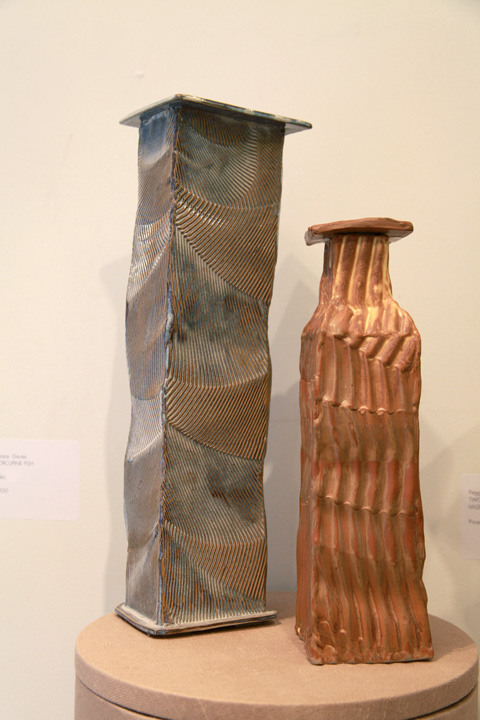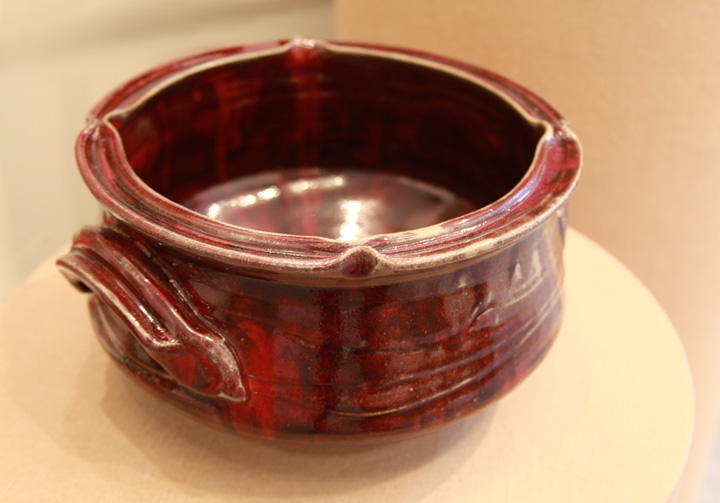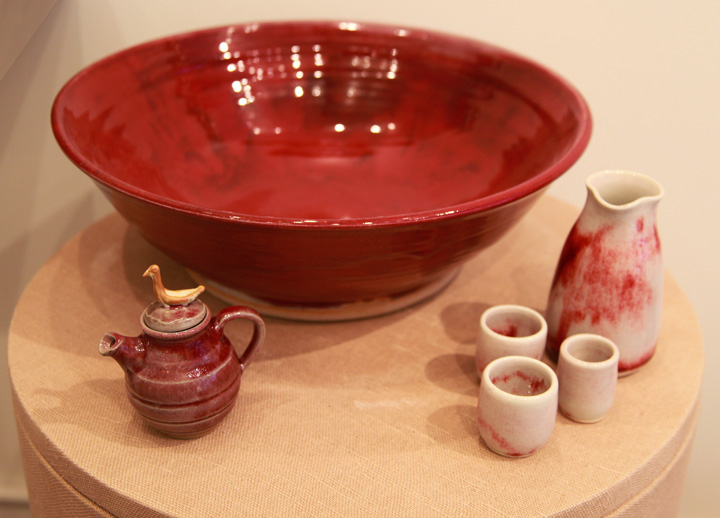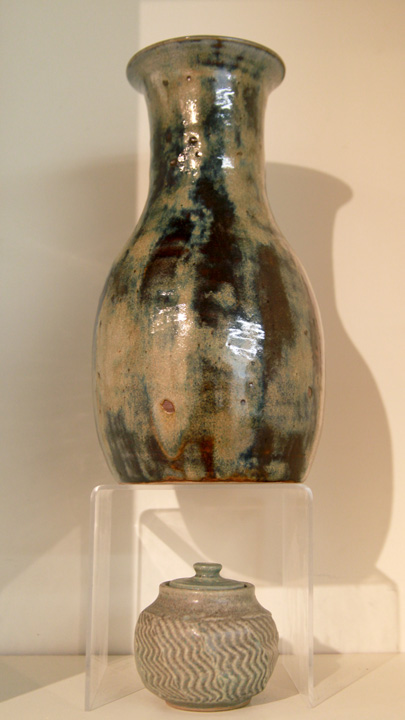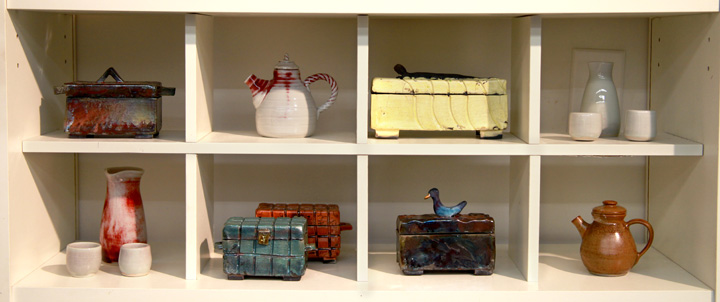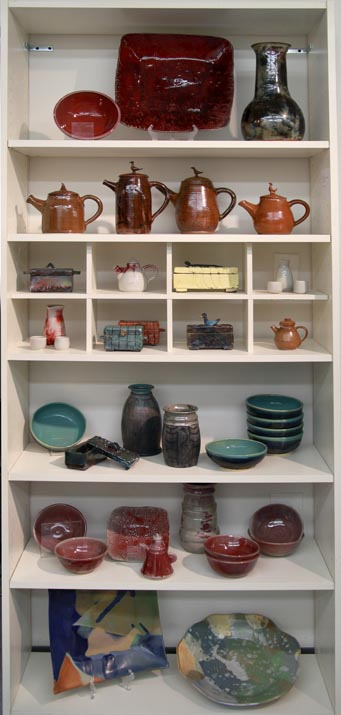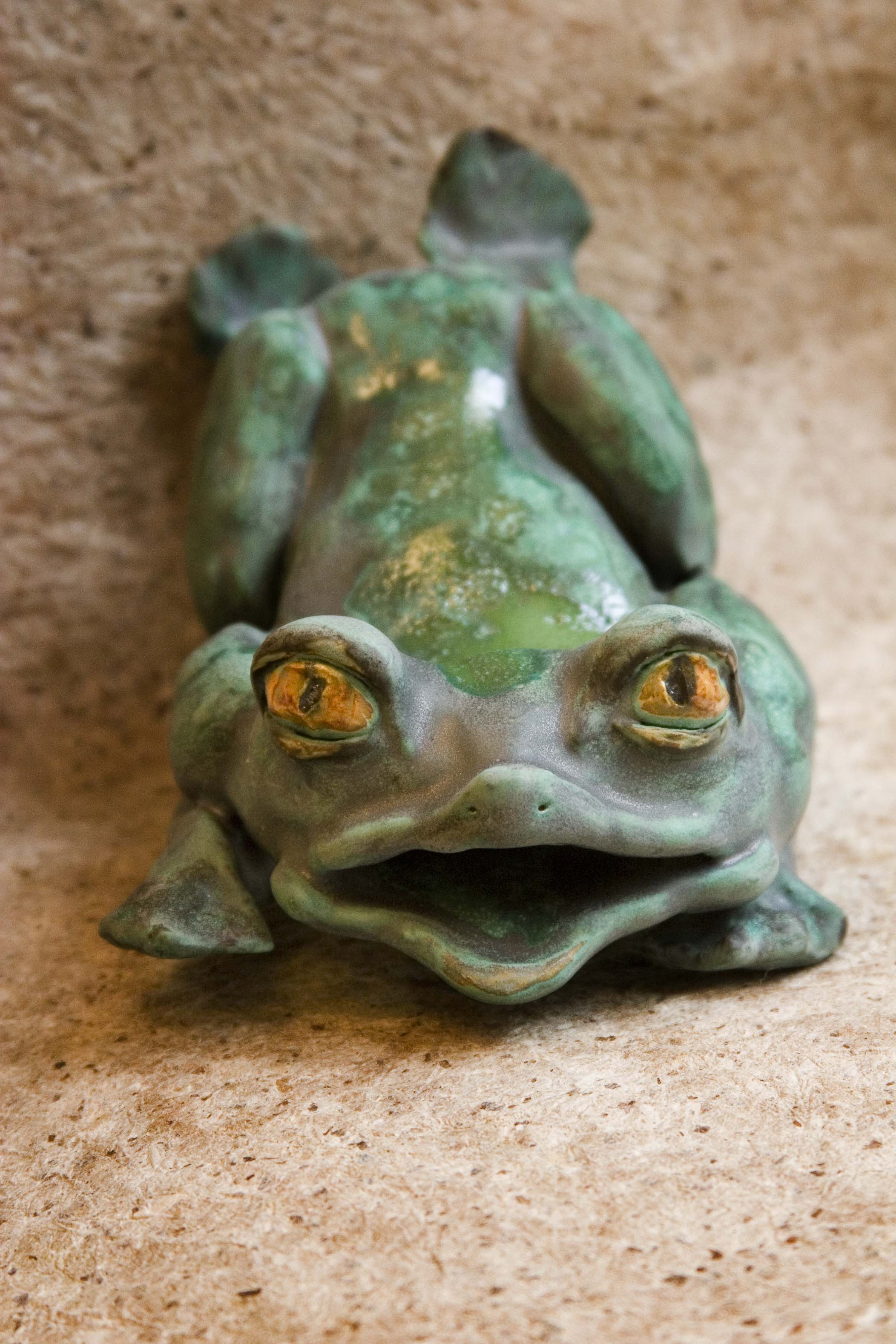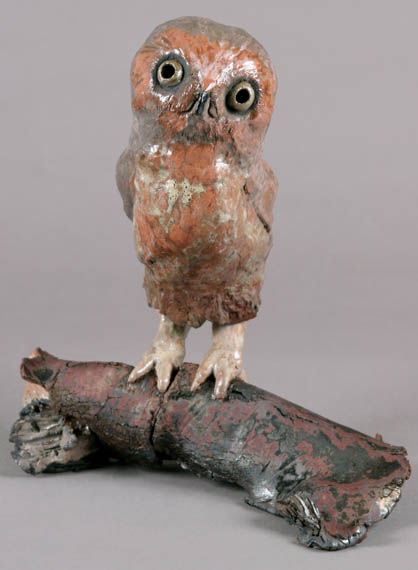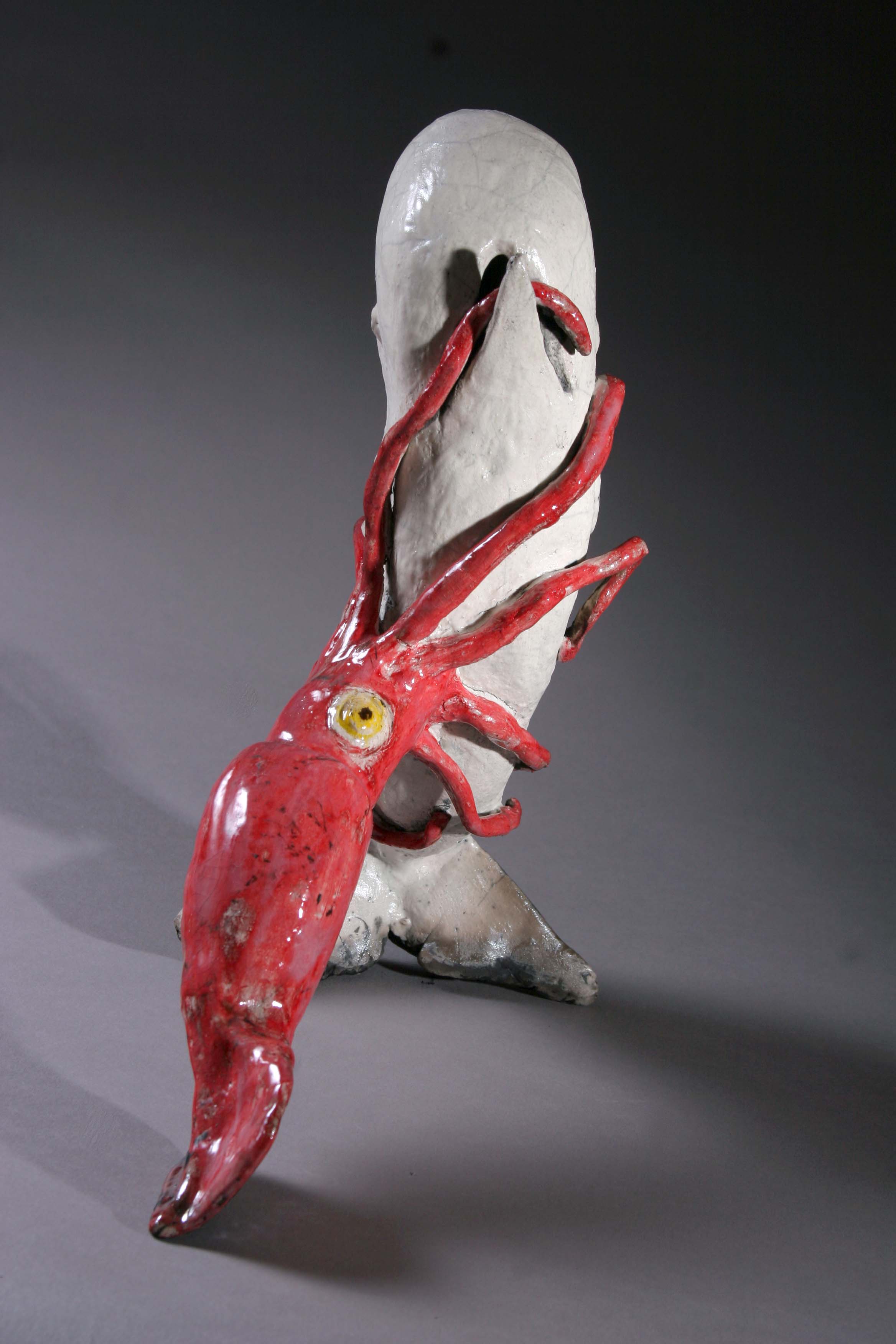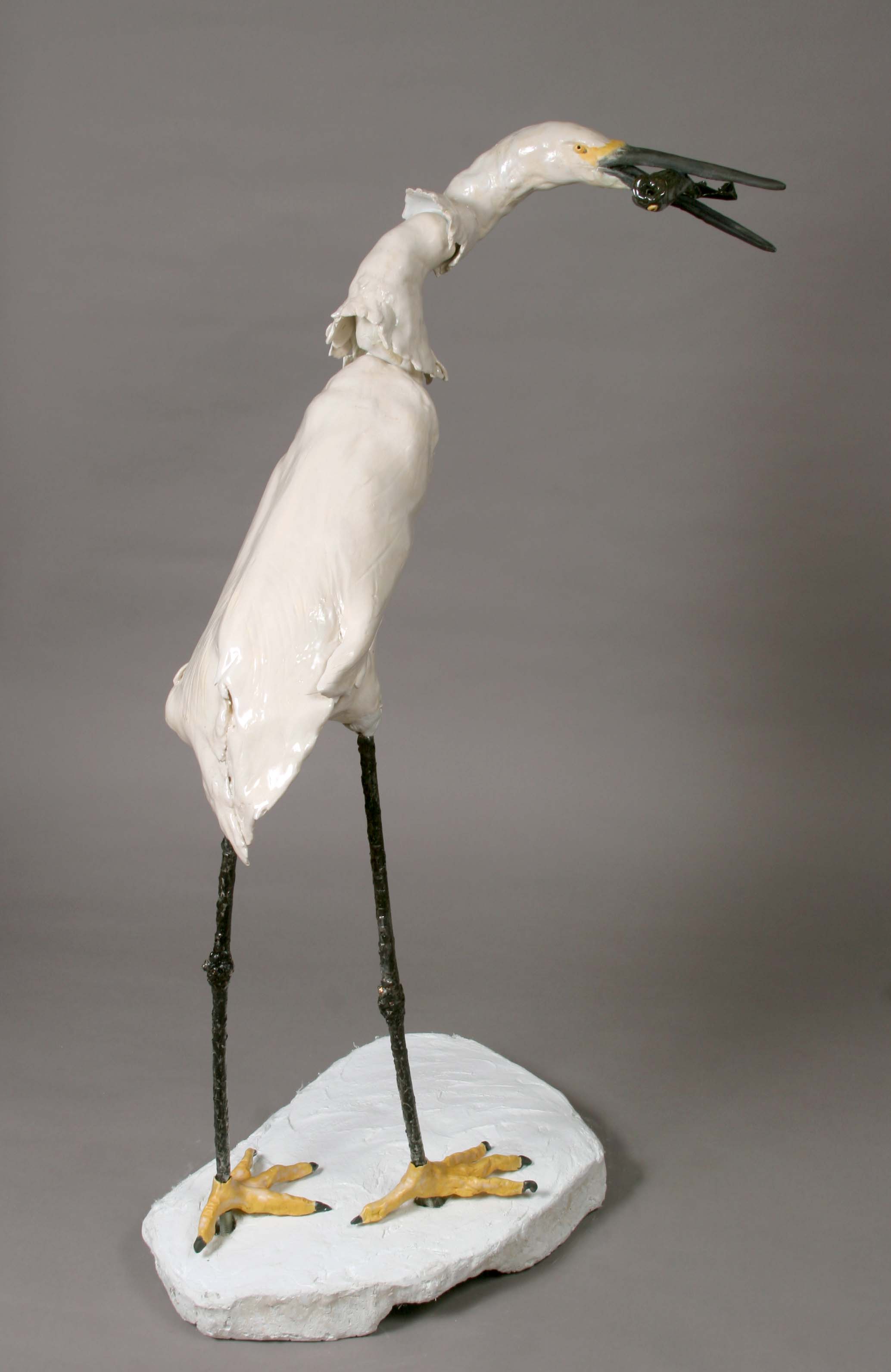
50 Shades of Clay
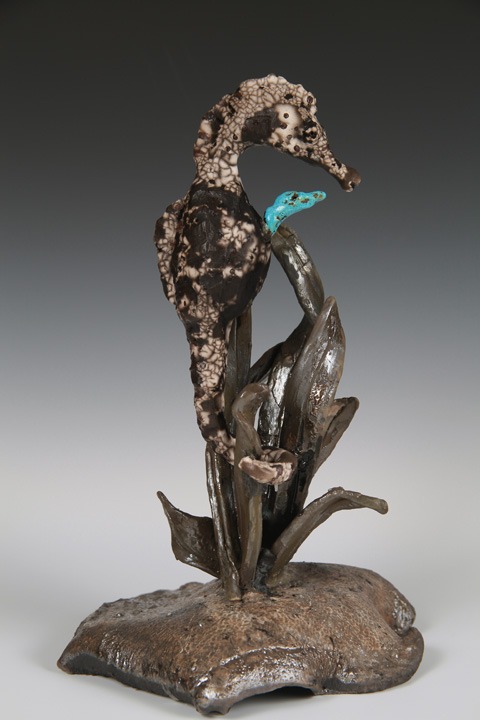
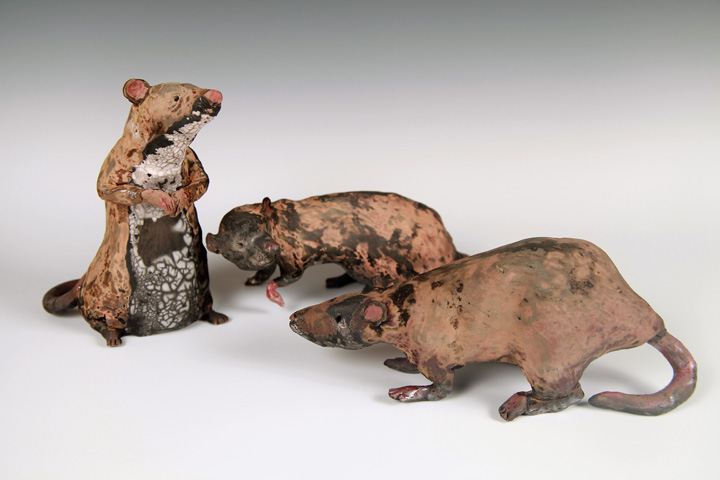
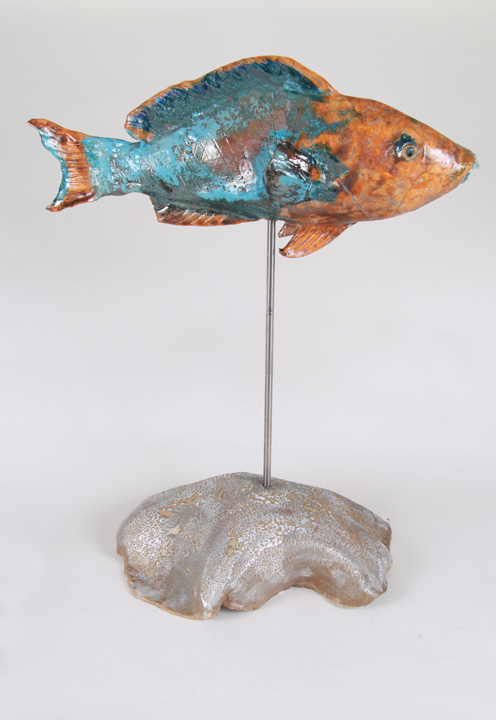
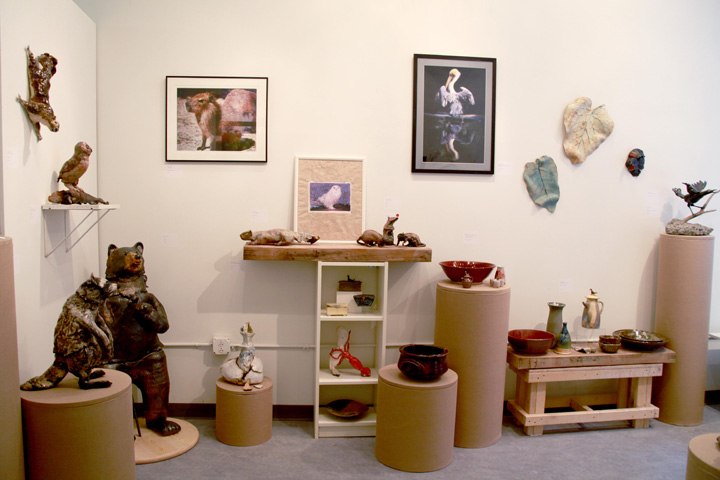
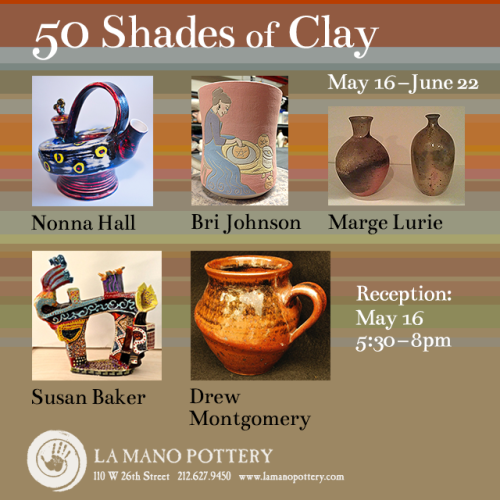 Ceramics by Nonna Hall, Bri Johnson, Marge Lurie, Susan Baker, and Drew Montgomery
In the gallery May 16–June 22
Reception: May 16th, 5:30–8pm
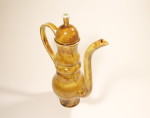
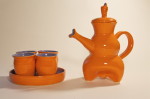
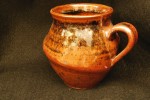
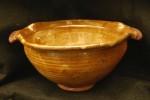
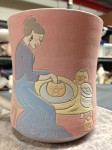
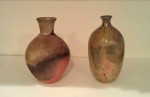
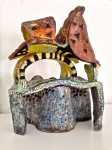
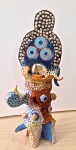
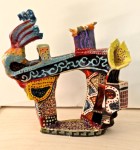
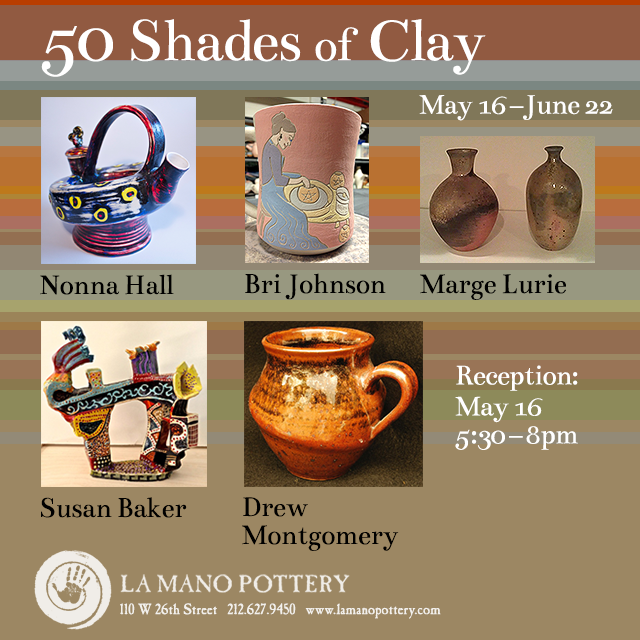 Ceramics by Nonna Hall, Bri Johnson, Marge Lurie, Susan Baker, and Drew Montgomery
In the gallery May 16–June 22
Reception: May 16th, 5:30–8pm
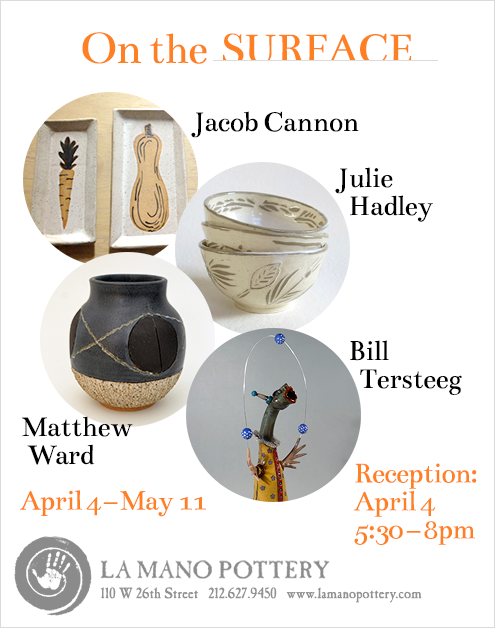 Ceramics by Jacob Cannon, Julie Hadley, Bill Tersteeg, and Matthew Ward
In the gallery April 4–May 11
Opening Reception: April 4th, 5:30–8pm
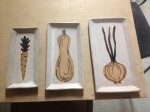
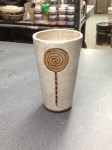
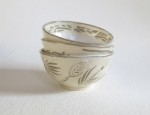
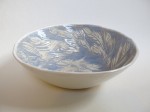
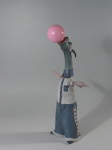
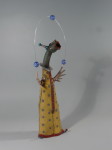
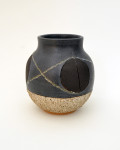
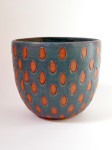
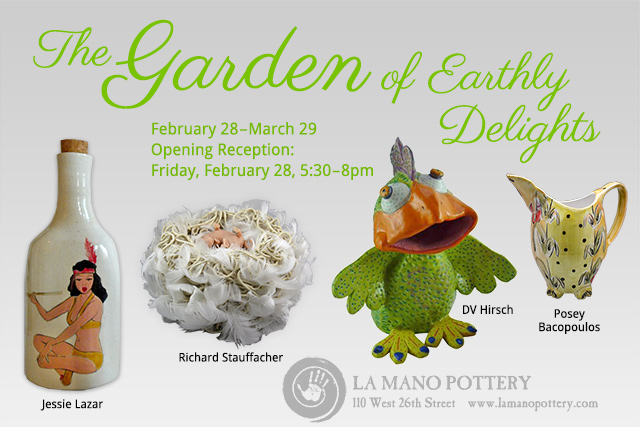 Richard Stauffacher, Posey Bacopoulos, Jessie Lazar and DV Hirsch
In the gallery February 28–March 29
Opening Reception: Friday, February 28th
We sat down with Jessie, Richard, DV, and Posey. Read below to find out more about each potter…
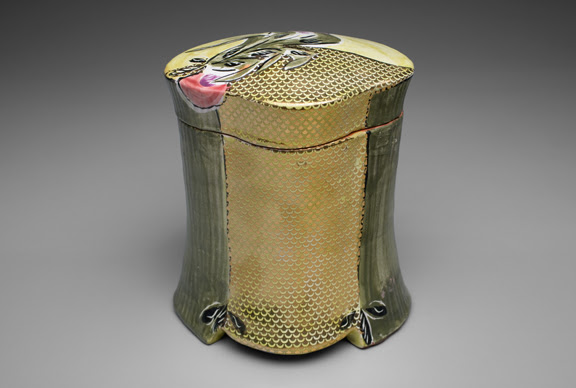 Oval Box with Gold Decal
by Posey Bacopoulosf
What is Majolica?
POSEY: Majolica is a glaze tradition that began in the Middle East in the 9th century with a tin-opacified glaze. The majolica glaze is very smooth and white, which makes a good surface for decorating. The various colors are applied usually with a brush to the glazed surface to create the lively decorative patterns. The pots are then fired to cone 04 in an electric kiln.
Why did you choose majolica?
I choose majolica because I love to decorate. And that is what I enjoy most about the process.
What is your favorite tool?
My favorite pottery tool is my dagger brush that I use to make all the thin black lines in my decorations
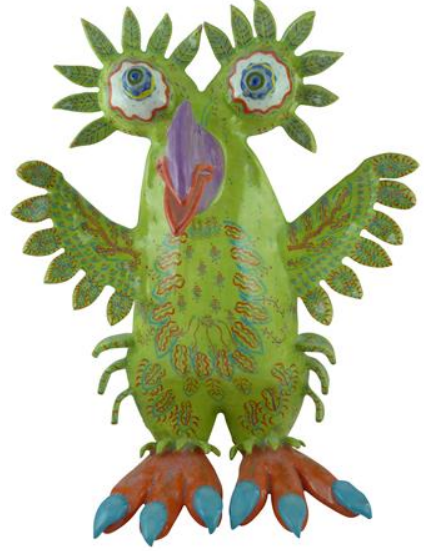 Dino Bird Daisy
by DV Hirsch
What do you hope to communicate with your art?
DV: I think that the only thing that I want to communicate and share with my work is a smile. That is their purpose. If someone looks at my creature and it tickles them, then I am thrilled and that is my biggest reward.
From a young child, I was taught and encouraged to work with my hands. I loved sewing, beading and clay and I was very lucky because my mom always made sure that if I had an interest in something then she would make sure that I had the supplies and books. Often, I would take a class to learn a new skill. Play dough was my earliest introduction to clay. Actually, I believe that my mom made a play dough like substance out of corn starch. I think that every child needs the active interest, encouragement and time from an adult to help them develop a passion for crafts because in this day and age it is just too easy for a child to zone on the computer or TV.
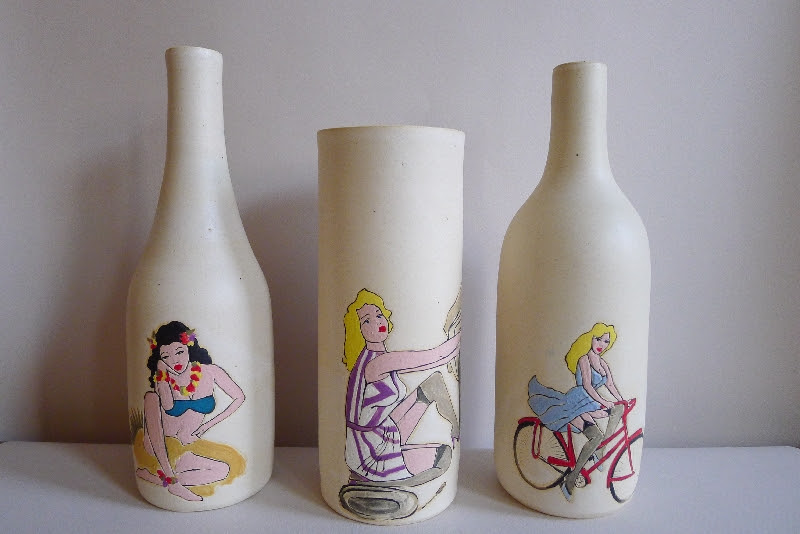 Ceramic Bottles
by Jessie Lazar
Tell us about the pictures on your pots:
JESSIE: My drawings are fun and playful. If people look at my pots and smile, I feel I have succeeded.
What is your favorite pottery tool?
My silicon rib. It does the most things. It can be strong and soft and allows me to smooth the clay in order to become the canvas for my drawings and geometric patterns.
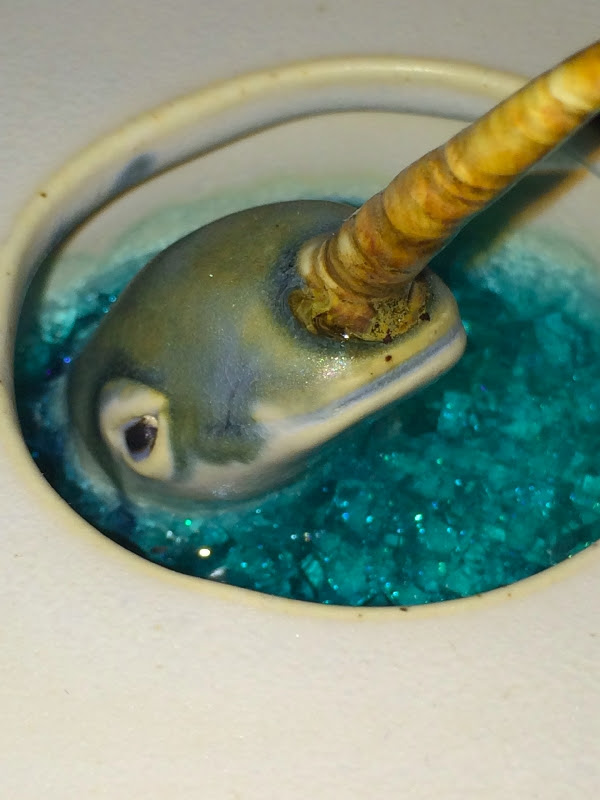 Close-up of Narwal Box
by Richard Stauffacher
What other artists inspire you?
RICHARD: As far as hand building is concerned, I really love the work of Shary Boyle and Beth Cavener Stichner, but I draw inspiration from all mediums. Lately, I’ve been spending a lot of time looking at Max Ernst’s collages, Walton Ford’s wildlife watercolors, and Luigi Serafini’s surreal Codex Seraphinianus, all of which have all crept into my own pieces.
What is your favorite pottery tool?
Rubber-tipped clay shapers . I have a bunch in different shapes and pliability…they’re indispensable.
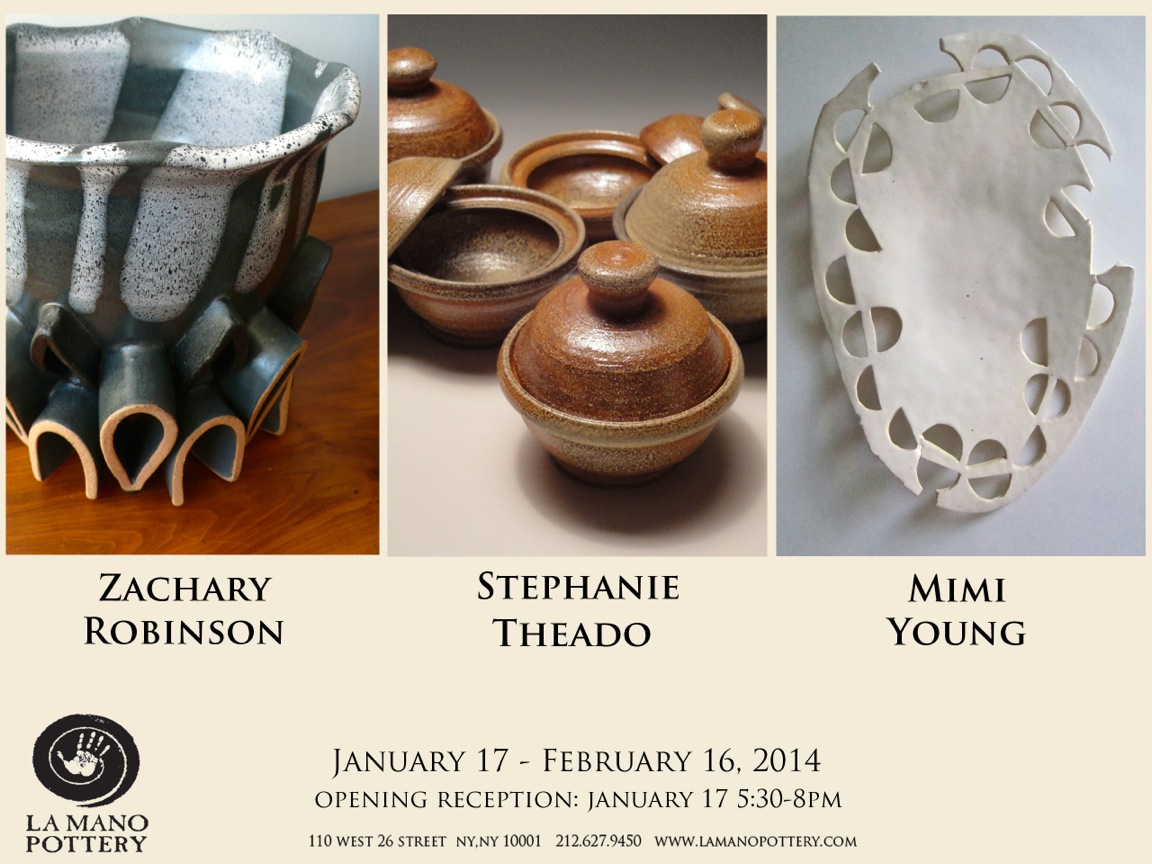 Zachary Robinson, Stephanie Theado, and Mimi Young
January 17-February 16
Opening Reception: January 17 5:30-8pm
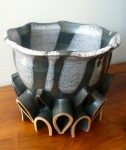
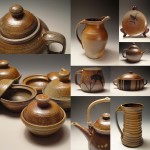
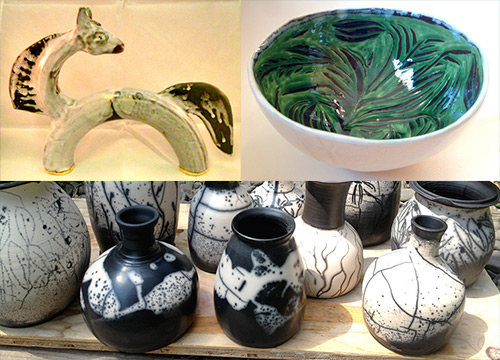 La Mano’s front gallery space is now featuring the work of Peggy Clarke, Diane Waller, and Julie Hadley.
The show will be up thru October 14th.
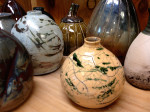
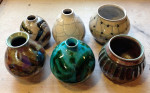
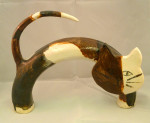
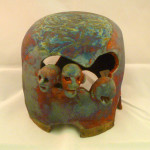
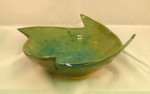
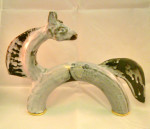
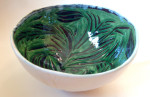
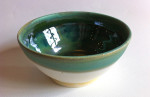
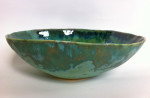
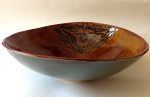
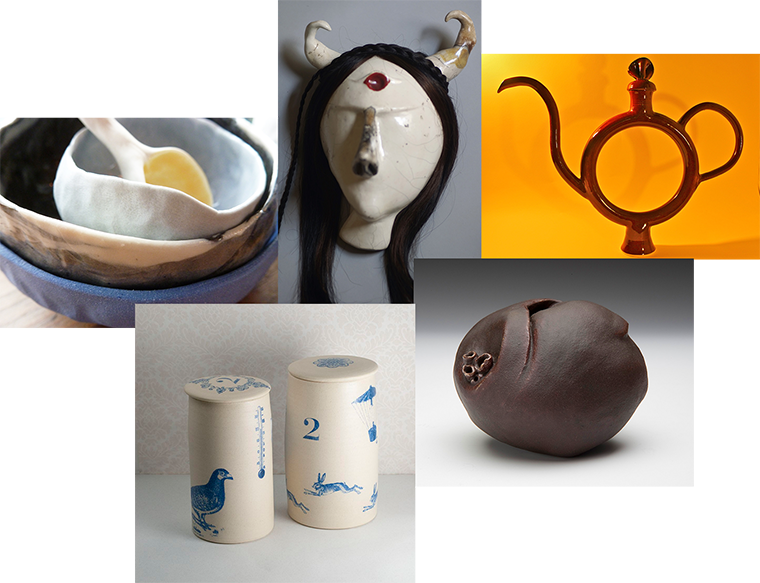 On view in the gallery June 24-August 15, pottery by:
May Luk
Michelle Sholtis
James Tan
Deborah Hunter
Miyu Asakawa
Nonna Hall
Sabina Magnus
Linda Aldrich
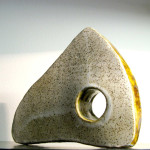
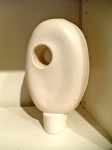
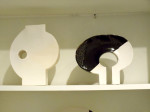
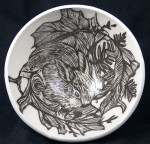
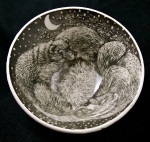
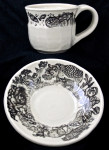
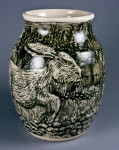
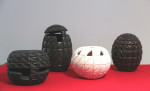
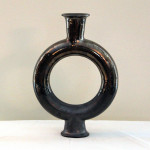
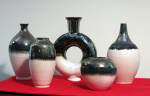
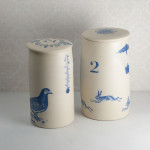
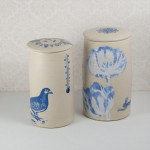
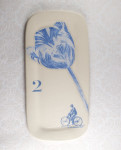
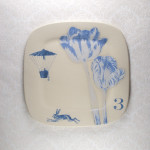
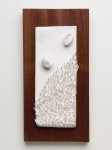
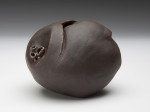
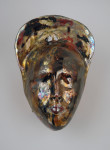
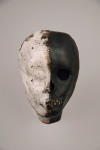
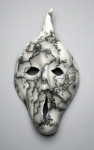
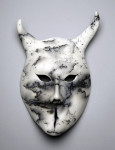
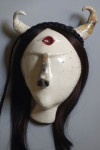
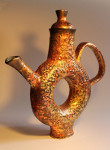
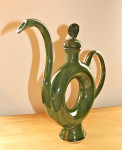
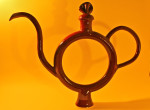
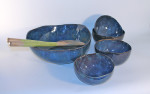
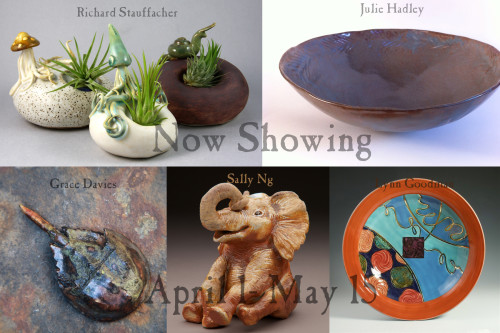 The following ceramic artists will be featured in the La Mano gallery from April 1–May 15. Stop by and see the show!
Doreen Baskin, Grace Davies, Lynn Goodman, Julie Hadley, Bonnie Hanna, David Hughes, Jesse Pape, Sally Ng, Linda Skipper, Richard Stauffacher, Diane Waller
…
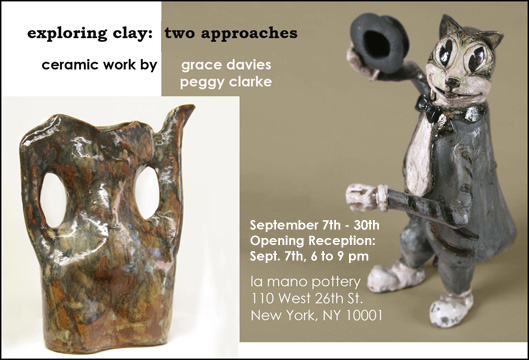
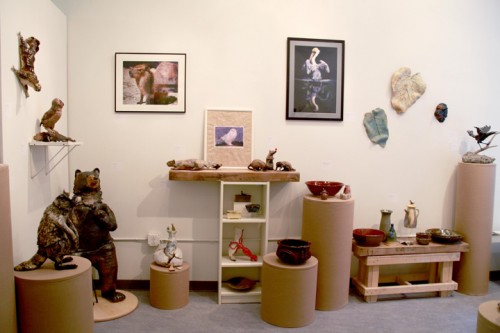 Peggy Clarke | Grace Davies
Artists’ reception:
Friday September 7th, 6–9 pm
This exhibit highlights the work of two artists whose curiosity about clay challenges them to explore the range of this versatile medium. Although they have different styles, they share an enthusiasm for new techniques to expand their artistic vocabularies.
They work in separate studios, but regularly engage in a lively dialogue about what they are pursuing independently, bouncing ideas off each other and supporting experimentation and dedication to the craft.